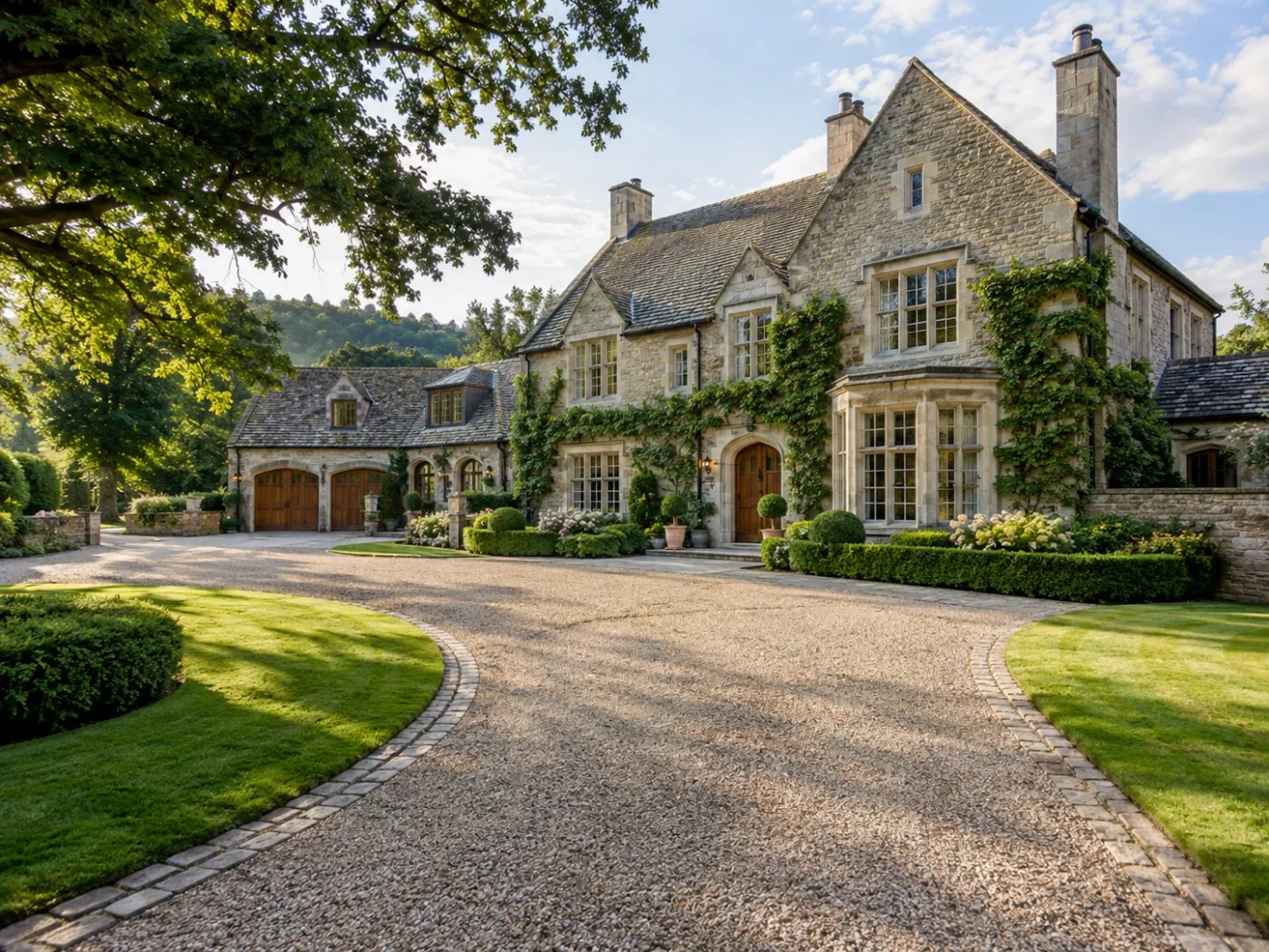
Comfortable Home Feel Inspiration for 2025

The concept of home in 2025 has evolved beyond aesthetics. It is no longer just about appearance—it’s about atmosphere. The need for spaces that provide emotional grounding, sensory comfort, and a deeper sense of connection is reshaping design norms. As wellness, sustainability, and technology converge in meaningful ways, a new era of comfortable living ideas is rising—redefining what it means to truly feel at home.
1. Earth-Toned Sanctuaries: Nature as Muse
Color remains one of the most powerful emotional tools in interior styling, and 2025 home inspiration leans heavily into grounded tones. Expect to see a dominant palette of clay reds, olive greens, stone greys, and wheat beiges. These earth tones don’t just look good—they feel good.
This year, the trend moves away from sterile minimalism and embraces ‘warm minimalism’—spaces that breathe, but with a heartbeat. Furniture in natural wood finishes, handwoven textiles, and handcrafted ceramics bring authenticity and calm. It’s not about cluttering space, but filling it with meaning and texture.
2. Layered Lighting for Emotional Impact
Gone are the days of relying solely on overhead bulbs. One of the standout modern cozy hacks of the year is lighting that mimics the softness of daylight transitions. Ambient, accent, and task lighting now work in tandem to shape mood and enhance relaxation.
Expect to see more pendant clusters over dining tables, sculptural floor lamps in reading corners, and integrated LED strips behind headboards or under shelves. Smart bulbs with tunable white light allow for circadian-friendly routines—bright and cool in the morning, warm and dim by night. The result? Spaces that adjust to your rhythm.
3. Technology, Seamlessly Embedded
Tech no longer screams for attention; it whispers. Interior design trends in 2025 prioritize smart systems that blend invisibly into the environment. Think wall-mounted control panels with matte finishes, hidden speakers that deliver immersive audio, and voice-controlled thermostats that maintain optimal comfort.
Wellness tech is also entering the mainstream—air purifiers with mood lighting, aromatherapy diffusers connected to your phone, and temperature-responsive textiles. This silent tech ecosystem works in harmony with the space to create intuitive comfort, not distraction.
4. Sensory Design for Soulful Spaces
Home comfort isn’t just visual—it’s tactile, auditory, and aromatic. The next wave of comfortable living ideas emphasizes sensory layering. Bouclé fabrics, sheepskin throws, terracotta tiles, and soft linen curtains all add depth and warmth. Interior designers are focusing on how materials feel just as much as how they look.
Aromatherapy plays a bigger role too. Homes now include designated scent stations—compact corners with essential oil diffusers, incense holders, and even botanical walls. These details contribute to the micro-moments of calm that make a house feel like a home.
5. Multifunctional Nooks with Intent
With flexible living becoming the norm, homes in 2025 are embracing adaptable zones. These aren’t just random corners repurposed in haste; they’re intentionally designed areas for focused activity or rest. A reading chair by the window becomes a mindfulness nook. A floating desk doubles as a makeup station. A foldable bench in the entryway serves both seating and storage.
This is where modern cozy hacks really shine—turning overlooked spaces into soulful, usable sanctuaries. Every inch has a purpose, but also a pulse.
6. Biophilic Design: Still Going Strong
Nature-centric design remains a cornerstone of 2025 home inspiration. Living walls, indoor herb gardens, and organic shapes continue to define interiors. Curved furniture lines, arched doorways, and asymmetrical shelves soften hard architecture and mimic natural forms.
Skylights, oversized windows, and glass doors help dissolve the boundary between inside and out. These design elements not only flood interiors with light but also invite a sense of openness and connection to the environment—an essential contributor to emotional comfort.
7. Color as an Emotional Narrative
While neutrals anchor the home, bold accents are used to tell individual stories. Expect terracotta in kitchens, moss green in bathrooms, and ocean blue in bedrooms. These colors are chosen not just for visual interest, but for their psychological effect.
This practice—known as emotional color zoning—is becoming one of the most creative interior design trends of the year. It’s comfort through chromatic storytelling. Your home becomes a living mood board, responding to your energy and intention.
8. Personalized Maximalism: Curated, Not Cluttered
Minimalism still has a seat at the table, but 2025 sees a rise in curated maximalism. This isn’t about filling every shelf—it’s about showcasing objects that reflect personal identity. Travel souvenirs, vintage books, bespoke art, and heirloom furniture all tell a story.
The comfort lies in familiarity and emotional resonance. Walls with gallery arrangements, open shelving with layered objects, and custom upholstery are all part of this expressive, lived-in style. This approach harmonizes perfectly with other comfortable living ideas, placing meaning at the center of design.
9. Soft Separation: Zoning Without Isolation
Open-plan living is still popular, but there’s a growing desire for visual and emotional separation between zones. In response, decor style tricks for 2025 introduce soft partitions—like linen drapes, wooden slat dividers, and freestanding bookcases—to define space without walls.
These soft boundaries offer both privacy and fluidity. They support a sense of autonomy within shared environments, increasing comfort and mental ease.
The future of home comfort lies in balance—between innovation and tradition, minimalism and personalization, light and texture. With the infusion of these 2025 home inspiration concepts, grounded comfortable living ideas, creative modern cozy hacks, and forward-thinking interior design trends, comfort becomes less of a luxury and more of a lifestyle. It’s not just about how a home looks. It’s about how it makes you feel.