
Construction Loans: A Smart Path for Home Builders and Developers
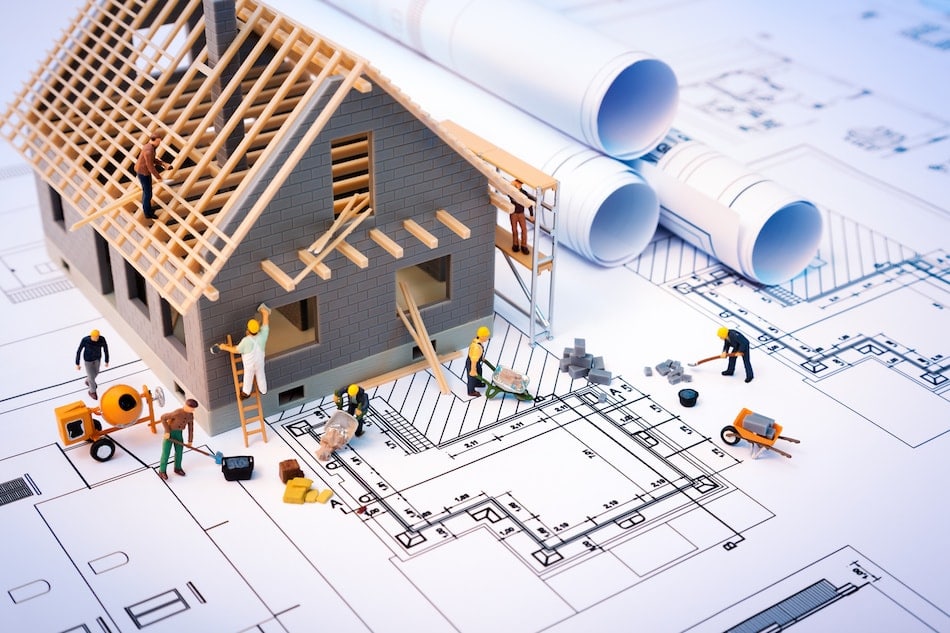
The journey of building a home or developing property is exciting but often financially challenging. Most people don’t have the capital to fund a large-scale construction project outright, and that’s where construction loans come in. These financing solutions are designed to provide funds gradually throughout the building process, ensuring that both homeowners and developers can bring their visions to life without overwhelming financial strain.
Understanding Construction Loans
Unlike traditional mortgages, which provide a lump sum to purchase an existing home, construction loans are short-term, high-interest loans meant specifically for funding new builds or significant renovations. The key difference lies in the way funds are released. Instead of receiving all the money upfront, borrowers receive “draws” at different stages of construction, such as laying the foundation, framing, or finishing the interiors.
Lenders often perform inspections before releasing each draw, ensuring the project is progressing as planned. This minimizes risk for the lender while keeping borrowers accountable to their budget and schedule.
Types of Construction Loans
To accommodate different financial goals, lenders typically offer a few types of construction financing:
- Construction-to-Permanent Loans – Start as a short-term loan for building, then automatically convert into a mortgage upon completion.
- Standalone Construction Loans – Cover only the construction phase; borrowers need to secure a separate mortgage afterward.
- Renovation Loans – Ideal for homeowners planning major remodels instead of new builds.
- Owner-Builder Loans – Suited for individuals acting as their own general contractor, though these loans are harder to qualify for.
Benefits of Construction Loans
Construction loans provide unique advantages that make them a powerful financial tool:
- Pay as You Build – Borrowers only pay interest on funds that have been drawn, not the full loan amount.
- Oversight and Accountability – Regular inspections by the lender keep contractors on track.
- Customization – Unlike buying an existing home, construction loans allow borrowers to finance their ideal design.
- Flexible Options – With multiple loan types, borrowers can select the one that aligns best with their needs.
Challenges of Construction Loans
While beneficial, construction loans also come with certain hurdles. Because construction is inherently riskier than buying an existing property, lenders typically impose stricter requirements. Borrowers often need higher credit scores, significant down payments (20–25%), and detailed construction plans.
Additionally, interest rates are usually higher than those of traditional mortgages. Delays in construction due to supply issues, labor shortages, or weather can also complicate repayment schedules, potentially leading to cost overruns.
How to Qualify for Construction Loans
Getting approved for a construction loan requires preparation and strong financial footing. Here’s what lenders look for:
- Good Credit Score – A high score demonstrates financial responsibility.
- Stable Income and Low Debt-to-Income Ratio – Proof of consistent earnings and manageable debt obligations is crucial.
- Detailed Project Plans – Lenders want to see blueprints, timelines, and cost estimates.
- Experienced Builder – A reputable contractor reassures lenders that the project will be completed on time and within budget.
- Contingency Funds – Borrowers should be prepared with extra reserves for unexpected expenses.
Is a Construction Loan Right for You?
These loans are best suited for people who:
- Want to build a fully customized home.
- Are developers or investors seeking to launch new projects.
- Plan to renovate a property significantly.
If you fit into one of these categories, construction loans may be the best financial tool to turn your ideas into reality.
Final Thoughts
Building a home or development project is a significant investment, but with the right financing, it becomes far more manageable. Construction loans offer flexibility, accountability, and the ability to create a customized property. While they require thorough planning and strict qualifications, they remain an essential option for homeowners and developers alike.