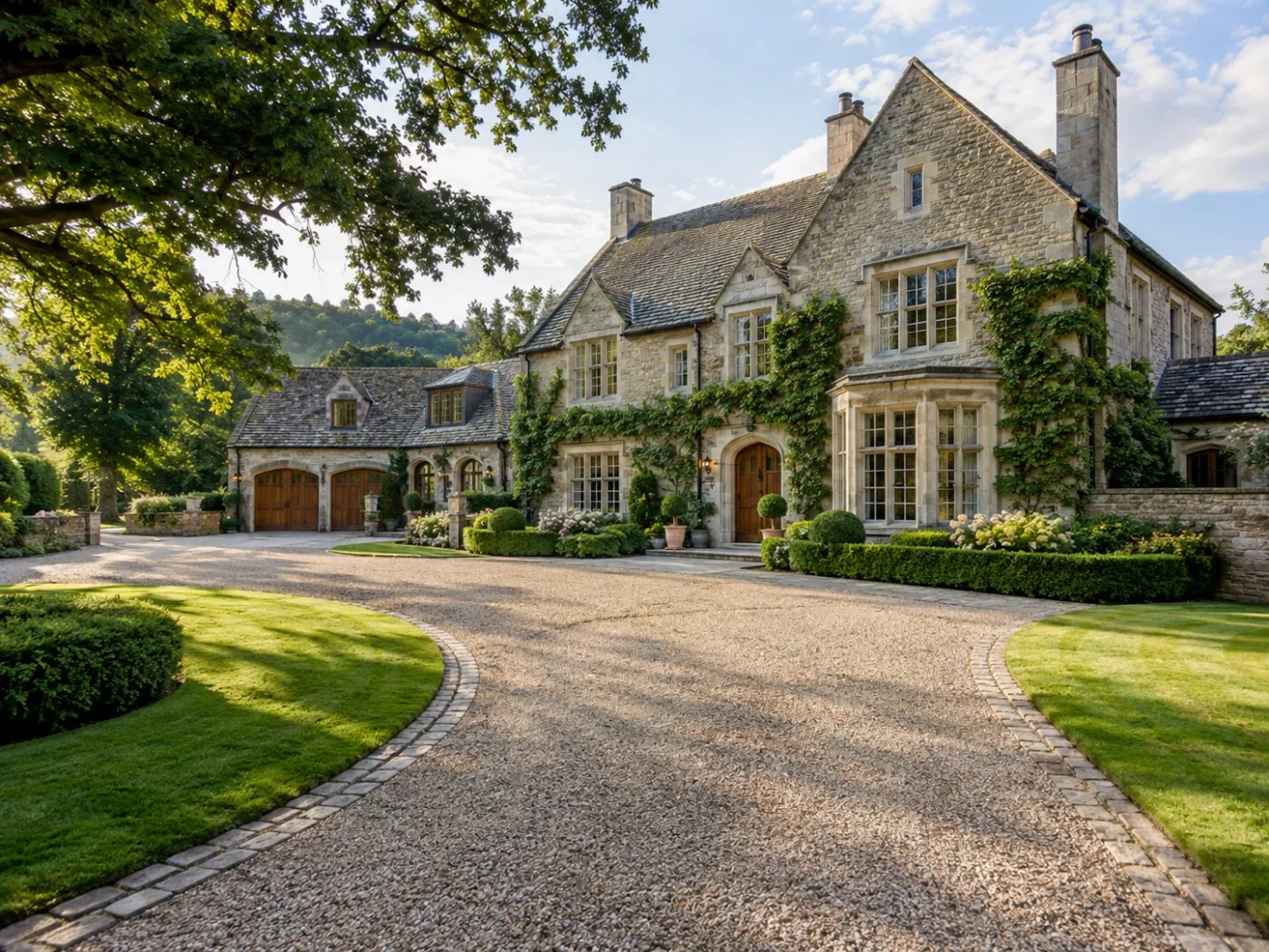
Future-Proofing Construction: Smart Planning for Tomorrow’s Builds

Introduction & Background
The construction industry stands at a critical crossroads, facing unprecedented challenges from climate change, resource scarcity, and rapid technological advancements. Traditional building methods are no longer sufficient to meet the demands of modern society, prompting a shift toward future-proofing construction practices. This evolution is not just about erecting structures that stand the test of time, but about creating buildings that adapt to changing needs, reduce environmental impact, and embrace innovation. As urbanization accelerates and populations grow, the importance of smart planning in construction has never been more evident. By integrating forward-thinking strategies today, developers, architects, and engineers can ensure their projects remain relevant, resilient, and sustainable for decades to come.
Concept & Overview
Future-proofing construction refers to the proactive design and implementation of building strategies that anticipate future challenges and opportunities. It revolves around the idea of creating structures that are flexible, energy-efficient, and adaptable to technological advancements. At its core, this approach emphasizes modularity, sustainability, and resilience, ensuring that buildings can evolve with shifting demands without requiring costly overhauls. It also involves leveraging cutting-edge technologies such as Building Information Modeling (BIM), Internet of Things (IoT), and advanced materials to enhance efficiency and reduce waste. By adopting these principles, stakeholders can minimize risks, optimize resource use, and future-proof their investments against obsolescence.
Key Features & Highlights
- Modular Design & Adaptability: Buildings designed with modular components allow for easy reconfiguration or expansion to meet changing needs, reducing the need for demolition and reconstruction.
- Sustainable Materials: Using recycled, renewable, or low-carbon materials minimizes environmental impact and enhances longevity, while also improving indoor air quality and occupant health.
- Energy Efficiency: Incorporating smart systems, renewable energy sources, and high-performance insulation drastically cuts energy consumption and lowers operational costs over time.
- Digital Integration: Tools like BIM and IoT enable real-time monitoring, predictive maintenance, and data-driven decision-making, improving construction accuracy and operational efficiency.
- Resilience & Climate Adaptability: Designing structures to withstand extreme weather events, earthquakes, and other natural disasters ensures long-term safety and reduces repair costs.
- Water Management: Implementing rainwater harvesting, greywater recycling, and efficient irrigation systems helps conserve water and reduce utility expenses in both residential and commercial buildings.
Frequently Asked Questions / Pros & Cons
What is the primary goal of future-proofing construction?
The primary goal is to create buildings that remain functional, efficient, and sustainable over their entire lifespan, adapting to technological, environmental, and societal changes without requiring major upgrades or replacements.
What are the main benefits of adopting future-proof construction methods?
The benefits include reduced long-term costs, lower environmental impact, improved occupant comfort and health, enhanced building longevity, and increased market value due to higher demand for modern, resilient structures.
Are there any drawbacks to future-proofing construction?
Potential drawbacks include higher upfront costs for advanced materials and technologies, the need for specialized skills and training, and the complexity of integrating multiple systems. However, these challenges are often outweighed by long-term savings and performance gains.
How can small contractors or developers adopt future-proofing strategies?
Small contractors can start by incorporating energy-efficient designs, sustainable materials, and basic digital tools like BIM into their projects. Collaborating with consultants or joining industry networks can also provide access to expertise and resources.
What role does technology play in future-proofing construction?
Technology enables predictive maintenance, real-time monitoring, automation, and data analytics, all of which enhance efficiency, reduce waste, and improve decision-making throughout the building lifecycle.
Is future-proofing construction only relevant for new buildings?
While it is easier to implement in new construction, future-proofing strategies can also be applied to existing buildings through retrofitting, upgrades, and adaptive reuse projects that extend their lifespan and functionality.
Practical Guidance & Solutions
To successfully future-proof a construction project, stakeholders should begin by conducting a thorough needs assessment and feasibility study. This involves evaluating local climate conditions, regulatory requirements, and market trends to identify the most relevant strategies. Engaging with architects, engineers, and sustainability consultants early in the design phase ensures that innovative solutions are seamlessly integrated.
Investing in high-quality, durable materials and modular systems can significantly reduce maintenance costs and extend the building’s lifespan. For instance, using cross-laminated timber (CLT) instead of traditional concrete or steel can lower carbon footprints while providing excellent structural performance. Additionally, incorporating smart technologies such as automated lighting, HVAC systems, and energy management platforms can optimize resource use and improve occupant comfort.
Training and upskilling the workforce is another critical step. Contractors and construction teams should be familiar with sustainable practices, digital tools, and resilient design principles. This can be achieved through workshops, certifications, and partnerships with educational institutions. Regular audits and performance reviews also help identify areas for improvement and ensure that the building continues to meet future standards.
Finally, fostering collaboration among all stakeholders, developers, architects, suppliers, and end-users, creates a shared vision for sustainability and innovation. By prioritizing transparency, communication, and continuous learning, the construction industry can transition toward a future where every build is designed to thrive in an ever-changing world.
Conclusion
The future of construction is not just about building structures, but about crafting intelligent, adaptable spaces that serve generations to come. Future-proofing is no longer an option, but a necessity in a world defined by rapid change and environmental responsibility. By embracing modular design, sustainable materials, digital integration, and resilience, the industry can unlock unprecedented opportunities for efficiency, cost savings, and environmental stewardship. As technology evolves and societal needs shift, those who prioritize forward-thinking strategies today will lead the way tomorrow. The time to act is now, ensuring that every project laid today becomes a legacy of innovation and sustainability for the future. The buildings of tomorrow are not being constructed; they are being envisioned, designed, and built with foresight, purpose, and a commitment to lasting impact.