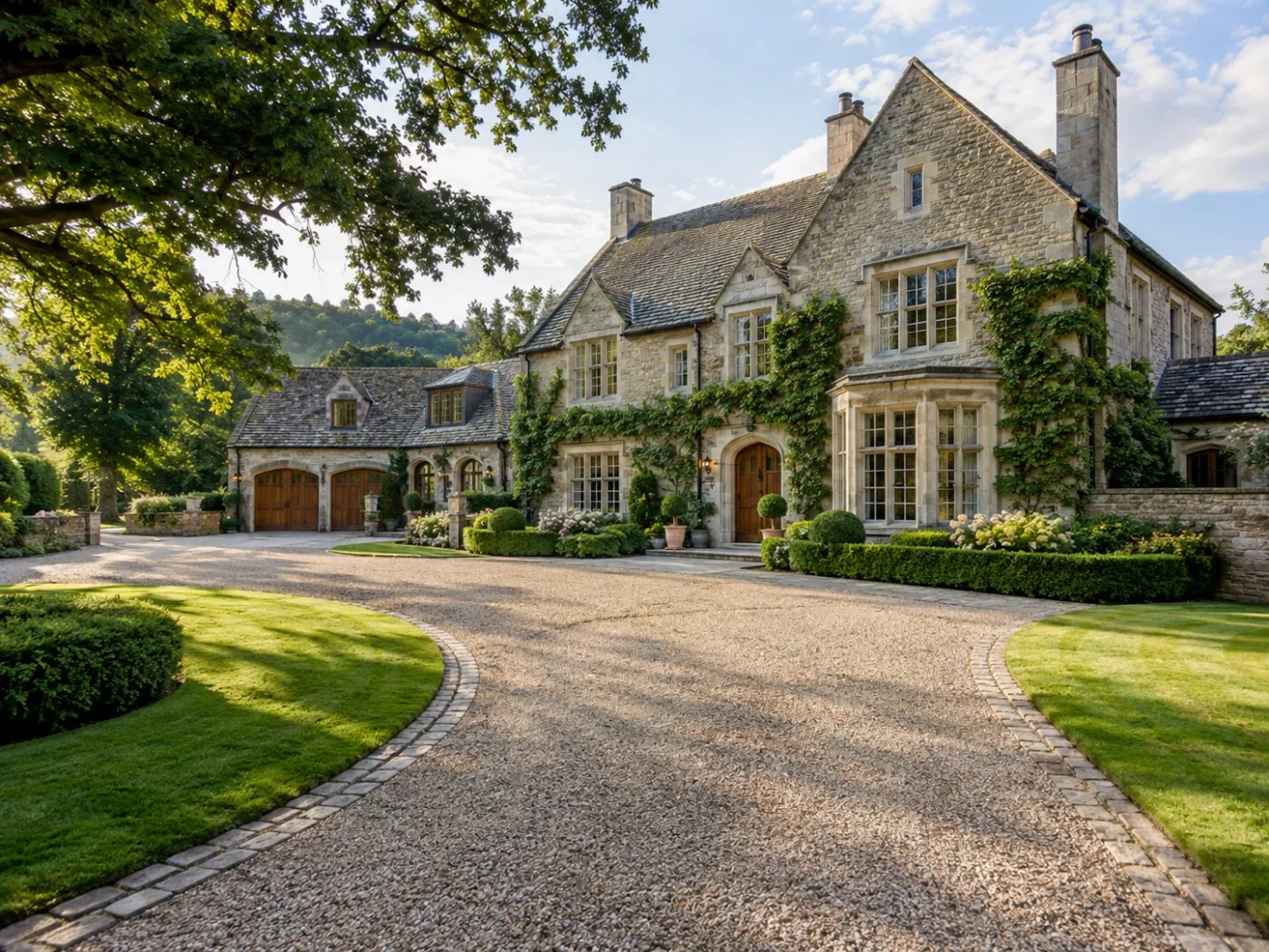
How to Plan a Perfect Home Construction

Constructing a home is more than a physical undertaking—it is the creation of a personal sanctuary where memories will be built and futures shaped. To achieve success, preparation must be thorough, strategies must be intentional, and every decision must align with long-term vision. A perfect plan build is not about extravagance but about precision, foresight, and balance between dreams and practicality.
Start with a Clear Vision
Every great structure begins with imagination. Before setting foundations, define what lifestyle the home should support. Is the goal open, airy spaces that invite light? Or perhaps private, cozy corners for retreat? Creating a home plan guide helps crystallize the essentials—number of bedrooms, special areas like home offices, outdoor living elements, and storage solutions. Clarity at this stage avoids costly changes later.
Budgeting with Wisdom
Even the most inspired blueprint falters without financial discipline. Budgeting ensures the dream remains attainable. Consider not only construction costs but also permits, site preparation, landscaping, and potential hidden fees. One of the most overlooked construction planning tips is to include a contingency fund of at least 10–15% for unexpected adjustments. Flexibility within the budget safeguards peace of mind throughout the process.
Choose the Right Location
Land dictates much of the home’s future value and functionality. Investigate soil stability, drainage systems, neighborhood amenities, and zoning regulations. When you plan your home, consider proximity to schools, workplaces, and community centers. A well-chosen location enhances both convenience and long-term investment.
Work with Experienced Professionals
Selecting architects, contractors, and engineers with strong reputations is pivotal. Seek professionals who not only bring technical knowledge but also embrace creativity and problem-solving. Collaboration is key; open communication with the project team ensures that design intent aligns with execution.
Prioritize Structural Integrity
Beauty must never overshadow safety. Foundations, framing, and roofing form the skeleton of your dwelling. Ensure high-quality materials are chosen and structural codes are met or exceeded. A strong, enduring framework is the essence of a perfect plan build that withstands generations.
Design for Function and Flexibility
Life evolves, and so should your space. Incorporating multi-purpose rooms, expandable areas, and adaptable layouts prepares the home for unforeseen needs. For instance, an unused guest room can be reimagined into a library or hobby studio later. These flexible designs are vital inclusions in any home plan guide.
Energy Efficiency and Sustainability
Eco-conscious choices add long-term value. Solar panels, energy-efficient windows, proper insulation, and water-saving fixtures reduce costs and environmental impact. Smart systems for lighting and temperature control combine sustainability with convenience. Forward-thinking construction planning tips emphasize integrating these green solutions from the start, as retrofitting later is far more complex.
Balance Aesthetics with Practicality
A visually stunning home captures attention, but practicality ensures daily comfort. Prioritize ergonomic layouts in kitchens and bathrooms, adequate natural light, and thoughtful ventilation. When you plan your home, strike harmony between style and function so that the result is both beautiful and livable.
Embrace Technology in the Process
Modern construction is enriched by digital tools. 3D modeling, virtual walkthroughs, and project management software allow homeowners to visualize and track progress with precision. These technologies reduce miscommunication, highlight potential flaws early, and make collaboration seamless.
Focus on Outdoor Spaces
A home is not confined within its walls. Gardens, patios, and decks extend living into the outdoors. When crafting a perfect plan build, consider how landscaping can frame the house, enhance curb appeal, and create inviting recreational zones. Outdoor areas often elevate resale value while providing personal enjoyment.
Legal and Regulatory Compliance
Ignoring local regulations can derail even the most promising project. Acquire proper permits, adhere to zoning restrictions, and ensure inspections are scheduled and passed. Consulting legal professionals or municipal authorities as part of the home plan guide saves both time and money in the long term.
Plan for Storage and Organization
Clutter erodes the beauty of any space. Integrating built-in cabinets, hidden storage under staircases, and well-organized closets maximizes utility without sacrificing design. These smart solutions are practical construction planning tips that maintain harmony and order within daily life.
Timeline Discipline
Delays are common in construction, but many can be avoided with proper scheduling. Establish realistic deadlines and communicate them clearly with contractors. A flexible yet structured approach helps keep momentum without sacrificing quality.
Future-Proofing the Build
Homes should be designed not only for the present but also for decades to come. Anticipate potential expansions, technological integrations, or accessibility features that may be needed later. To plan your home wisely is to think beyond current needs and envision a space that gracefully adapts to the future.
The art of building lies not only in materials and labor but in foresight, creativity, and balance. With a perfect plan build, the process becomes less daunting and more empowering. By following a thoughtful home plan guide, adopting wise construction planning tips, and ensuring every choice reflects both aspiration and practicality, you can confidently plan your home into existence. The result will be a timeless structure that supports comfort, fosters growth, and stands as a cherished testament to vision fulfilled.